



Published – January 2026
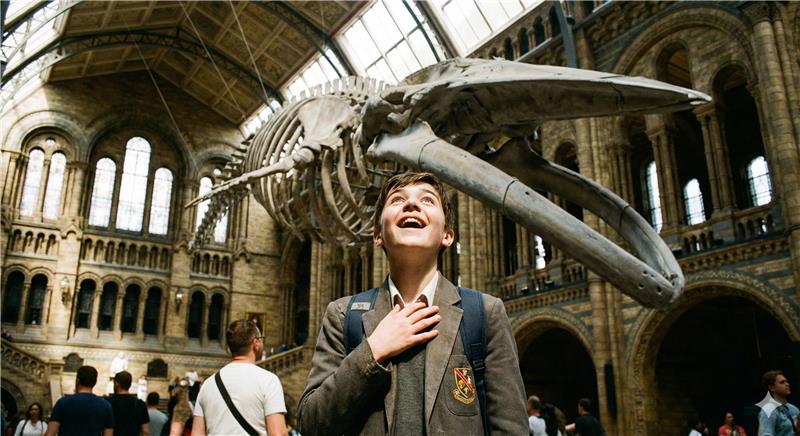
If skills are the goal, lessons alone aren’t enough.
If skills are the goal, lessons alone aren’t enough.
Trips aren’t just a break from the classroom. When they are designed with clear educational intent, they provide learning with real-world context, shared experience, and meaningful application beyond the school environment.
Any teacher who has taken students out of school will recognise the impact. Students return with stories, confidence, and a clearer sense of purpose. This does not diminish the value of classroom teaching. Instead, experience strengthens it by helping pupils connect knowledge to the world around them.
Educational research supports this approach. Well-planned, culturally enriching educational visits have been shown to improve pupil engagement, behaviour, and academic outcomes, with benefits lasting beyond the immediate experience. Active, experiential learning approaches consistently demonstrate stronger learning outcomes than passive instruction alone.
This is because learning is most effective when pupils are cognitively, emotionally, and socially engaged. Novel environments increase attention and motivation. Collaborative problem-solving supports communication and resilience. Managed challenge helps pupils develop judgement and independence. These conditions align closely with the skills schools are expected to develop alongside academic knowledge.
Importantly, educational visits are most effective when they are clearly connected to curriculum intent. Research shows that experiential learning delivers the strongest impact when it complements classroom teaching and enables pupils to apply theoretical knowledge in authentic contexts. History becomes more tangible when pupils encounter places and stories first-hand. Geography gains relevance when physical environments replace abstract diagrams. STEM learning deepens when theory is tested through real-world problem-solving.
For this reason, effective trips require more than good logistics. They require thoughtful design. Experiences should encourage pupils to adapt, collaborate, reflect, and take responsibility. Through this, pupils develop confidence, cultural awareness, emotional literacy, and decision-making skills that are more difficult to cultivate through classroom instruction alone.
If skills are the intended outcome, experience is a powerful and evidence-informed accelerator.
Subject-led experiences designed with impact in mind
-
Sports: A one-day, behind-the-scenes journey into elite sport, teamwork, and high-performance arenas.
-
Performing Arts: Give students a hands-on musical experience they’ll never forget.
-
STEM: Real-world problem-solving and hands-on challenges make STEM meaningful.
How does this aligns with Ofsted expectations?
- Curriculum Intent
Trips are planned with clear links to subject knowledge and skill development.Curriculum Implementation
Learning is reinforced through application, enquiry, and real-world context.Impact
Evidence of improved engagement, understanding, confidence, and behaviour.Personal Development
Opportunities for pupils to build resilience, cultural capital, independence, and teamwork.
If you’re planning learning beyond the classroom, we’d love to help you design it with purpose.
We work with teachers to create subject-led experiences that align clearly to curriculum intent, support personal development, and deliver meaningful impact for pupils.

Naples Business Studies
Business Studies – Naples, Italy Naples and Sorrento: master of all trades Famed for everything from tourism to woodworking, Naples and the surrounding area allow Business Studies students

Bologna Business Studies
Business Studies – Bologna, Italy Bologna: Parmesan Cheese and Performance Cars Visit the affluent, industrious Italian city of Bologna for an insight into manufacturing and business practices, both

Milan Fashion & Textiles
Fashion & Textiles – Milan, Italy Milan: A Super Stylish City Excite and inspire fashion students with a visit to Northern Italy’s fast-paced metropolis, a fusion of creativity

Florence Fashion & Textiles
Fashion & Textiles – Florence, Italy Fabulous, fashionable Florence. Often elbowed off the catwalk by Milan, fabulously fashionable Florence should be the number one Italian destination for clothing